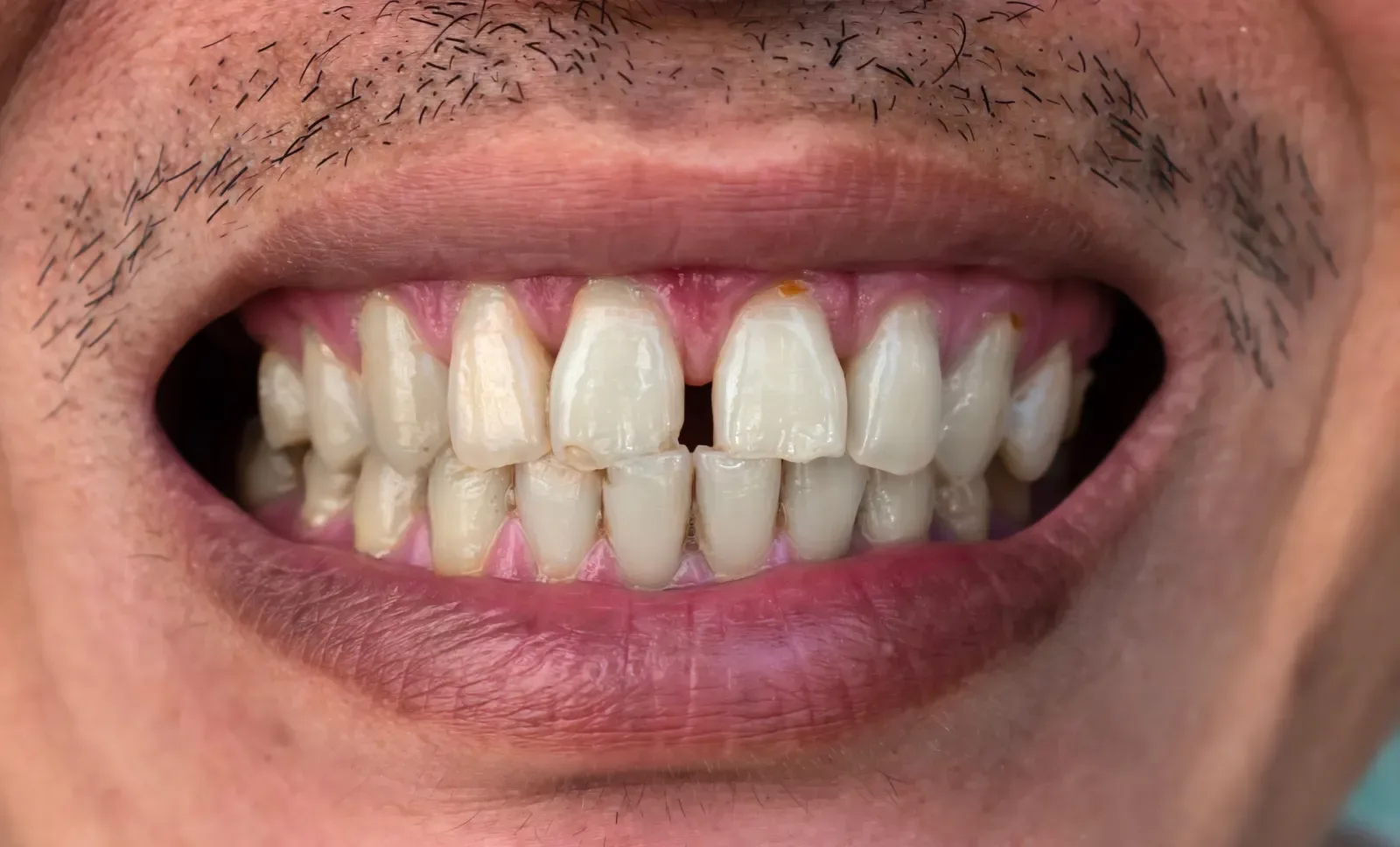
Gaps in Teeth
Spacing between several teeth that affects your smile.
Understanding Gaps in Teeth
Small gaps between baby teeth are perfectly normal, but spaces between adult teeth — again called diastema — tend to stay unless they are treated. Widespread spacing can come down to the size of your teeth relative to your jaw, missing teeth, gum issues or long-standing habits. The gaps are not usually harmful to your health, yet they often bother people cosmetically and can trap food. Depending on where the gaps sit and how wide they are, our team closes them with clear aligners, bonding, veneers or, where the bite needs it, braces — for a smile that looks even and complete.
The signs, and what’s behind them
Recognising gaps in teeth early — and understanding why it happens — is what lets us treat the cause, not just the surface.
Signs & symptoms
- Visible spaces between several teeth
- Food packing into the gaps
- Changes to speech in some cases
- Gaps that slowly widen over time
Common causes
- Teeth that are small for the size of the jaw
- One or more missing teeth
- A thick or high frenum attachment
- Tongue-thrusting or thumb-sucking habits
- Gum disease that lets teeth drift
How we treat it
Dr. Khushbu Patel tailors the right treatment to your case — here are the options we most often use for gaps in teeth.
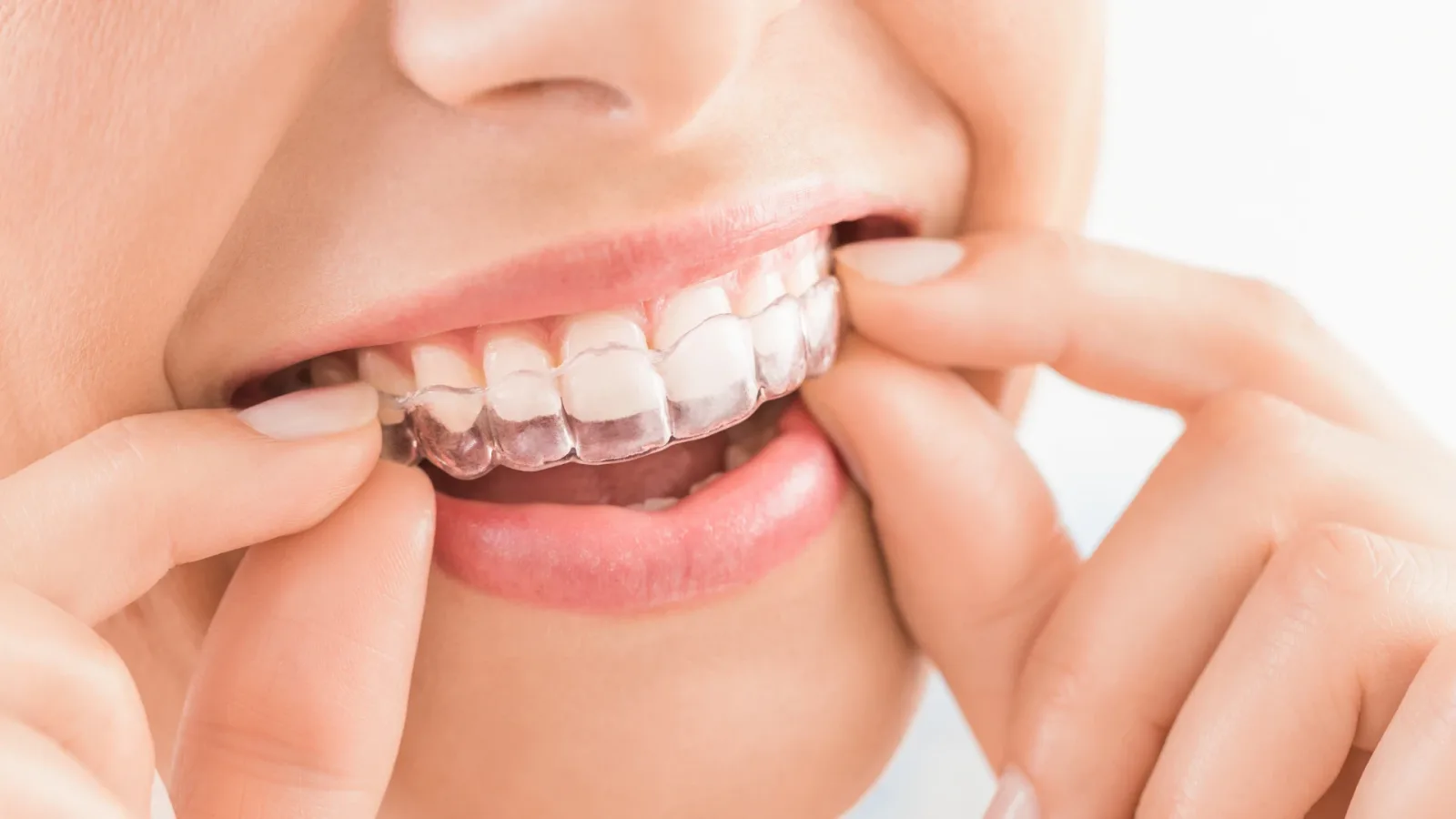
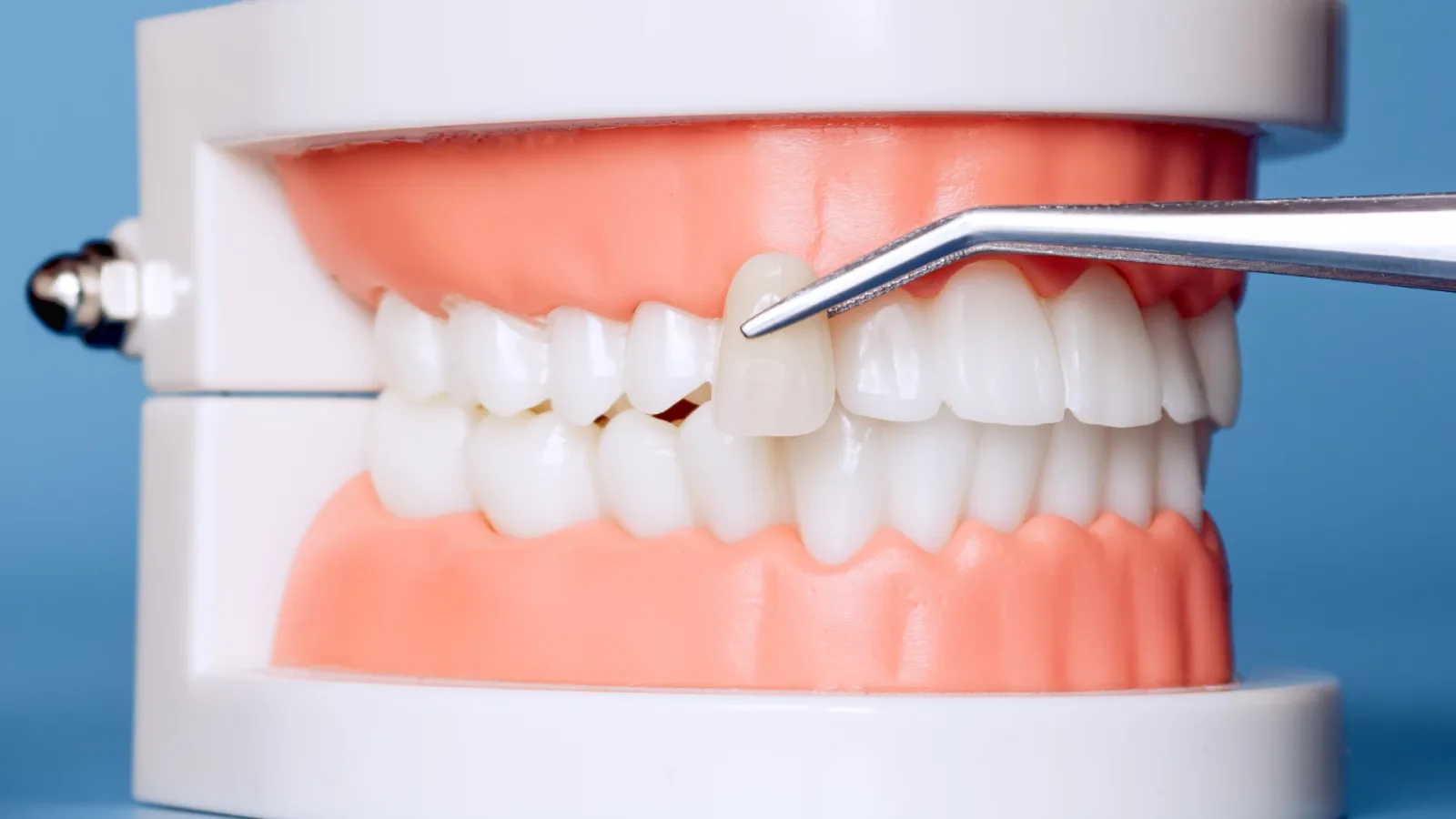
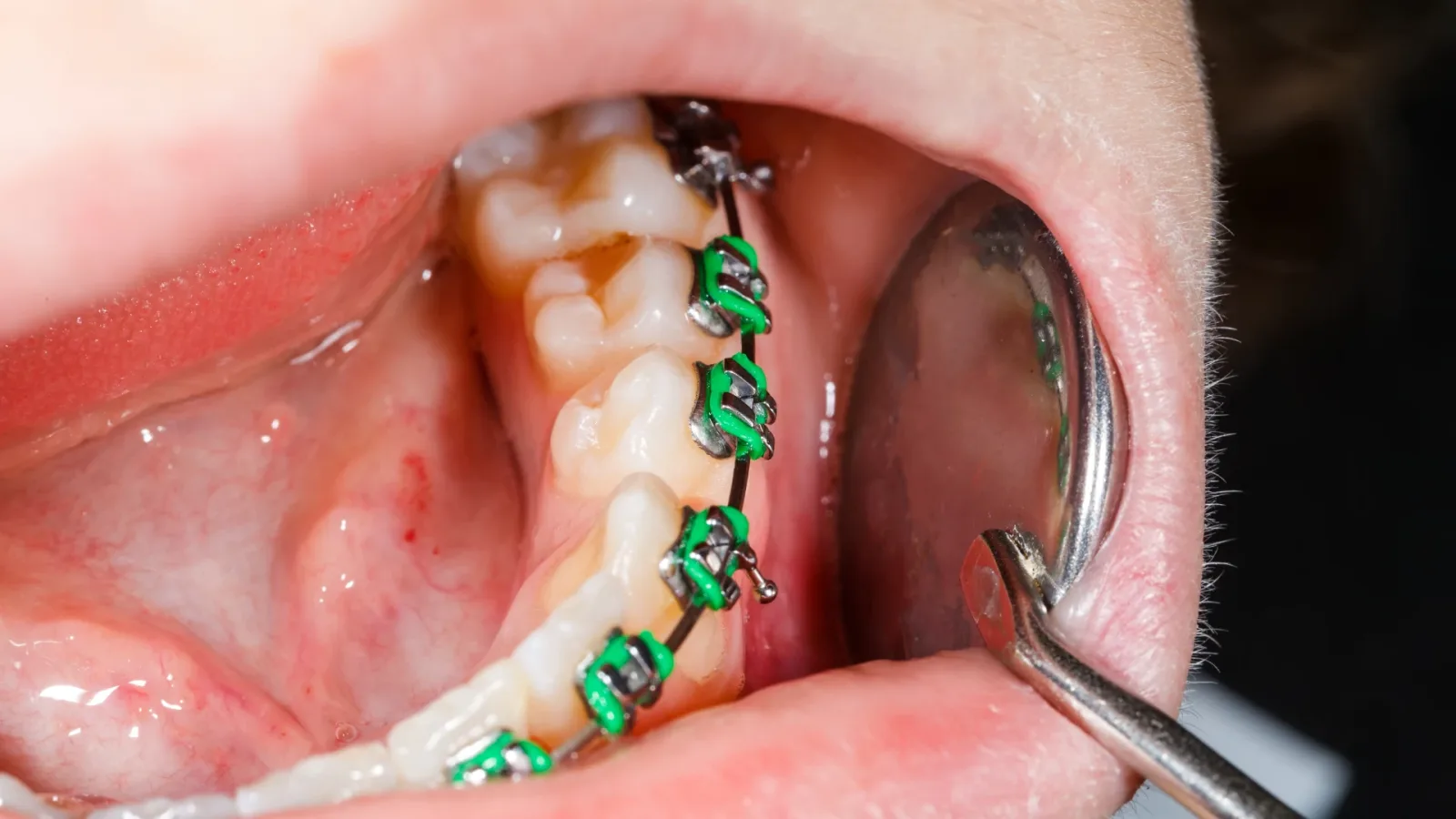
Not sure which option is right for you? A quick consultation with Dr. Khushbu Patel clears it up — honest advice, no pressure, and a clear plan for your gaps in teeth.
Frequently asked questions
Worried about gaps in teeth?
Pick a time that suits you and Dr. Khushbu Patel will assess the cause and recommend the right treatment. Prefer to talk first? Call or WhatsApp us.